Ofcom-licensed radio telemetry remains one of the most robust and dependable communication methods for critical infrastructure—and it is at the core of what Radio Data Networks delivers. Operating on secure, legally protected VHF spectrum, RDN systems reliably handle almost half a billion messages every year, supporting essential services where failure is not an option.
Unlike shared cellular networks, Ofcom licenced radio provides exclusive, interference-resistant communication channels. Communications are direct—there is no reliance on third-party infrastructure—meaning every transmission is fully controlled, secure, and 100% testable from source to destination as standard. This delivers a level of assurance and accountability that public networks simply cannot match.
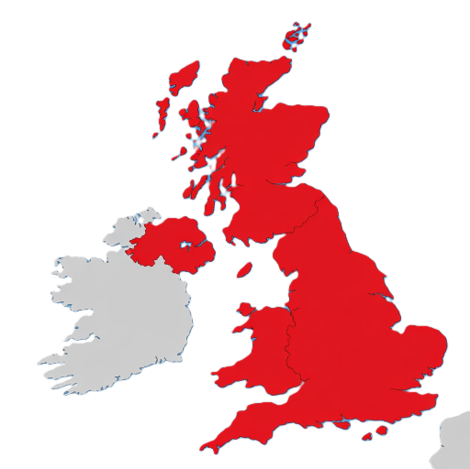
Radio Data Networks’ licence footprint is extensive, covering the whole of the United Kingdom as well as the Channel Islands, including Jersey and Guernsey. In fact, the coverage area exceeds that of many cellular operators, offering truly national reach without dependency on public network infrastructure. This trusted spectrum is actively used by a wide range of organisations—from major utilities to the Environment Agency (EA) and Natural Resources Wales (NRW)—demonstrating its proven reliability in real-world, mission-critical deployments.
RDN’s system operate in the VHF part of the spectrum bringing significant technical benefits. Compared to higher frequency UHF systems commonly used at 458MHz and 869MHz, VHF delivers superior signal propagation and penetration. This makes VHF particularly effective in challenging environments, whether in rural landscapes, underground assets, built-up urban areas, or through vegetation, reducing the need for additional infrastructure and improving overall system resilience.
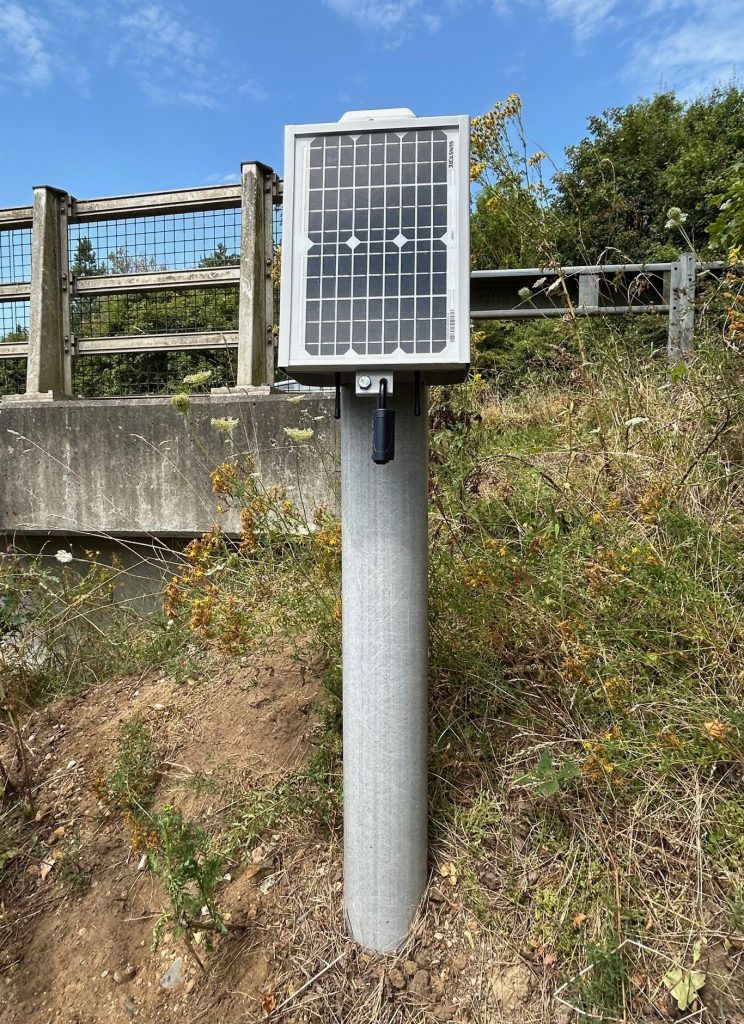
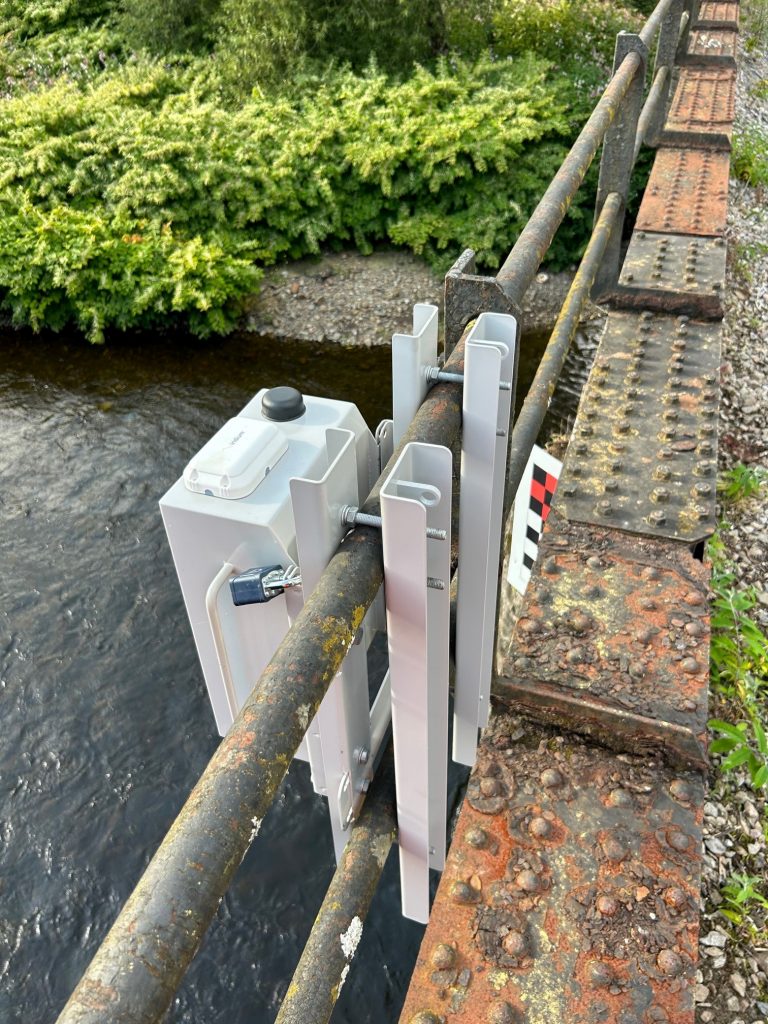
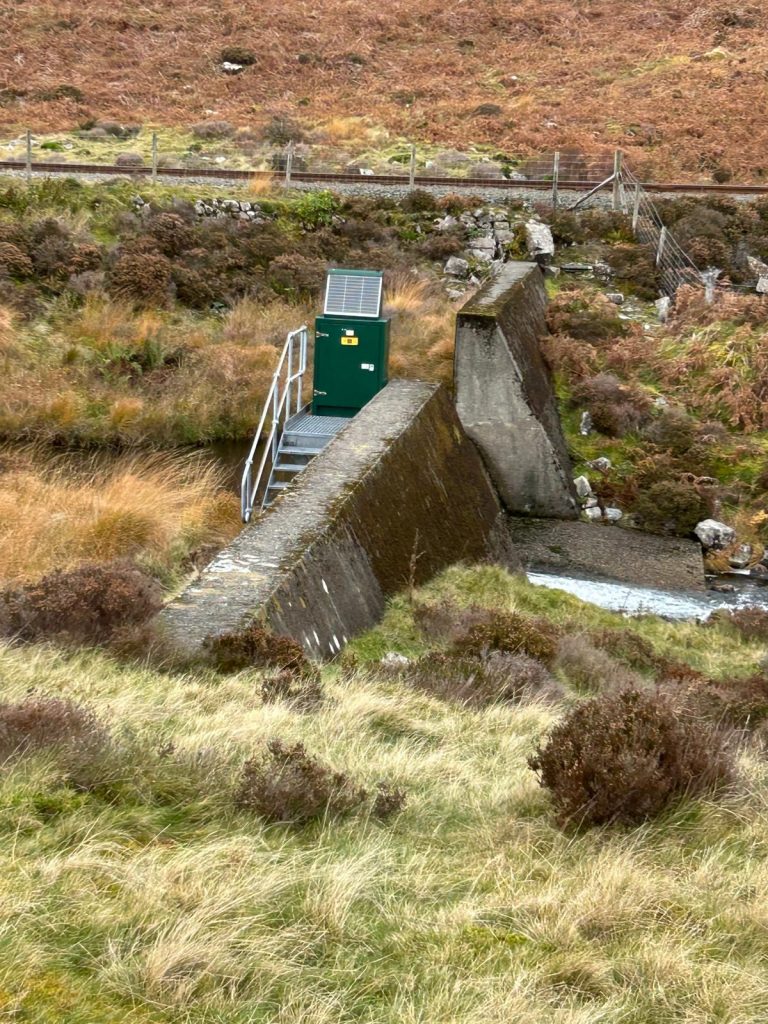
Radio Data Networks telemetry systems are engineered with the same resilience principles applied to satellite telemetry solutions such as Iridium. Low-power operation enables long-life battery deployments, making systems ideal for remote and off-grid locations. Rugged, industrial-grade enclosures are designed to withstand harsh environmental conditions, ensuring reliable operation in flood zones, exposed sites, vandal prone areas and critical infrastructure environments where durability is essential.
A key strength of RDN systems is their flexibility at the interface level. They support a wide variety of industry-standard and specialist connections, including digital volt-free contacts, SDI-12, analogue 4–20mA, pulse inputs, and digital I/O, through to MODBUS and fully customised interfaces. This versatility allows seamless integration with legacy assets, modern smart sensors, PLCs, and SCADA systems.
Underpinning this capability is the powerful RDNET1000 protocol, featuring an address space of up to 4 billion unique codes. This enables highly scalable deployments while efficiently handling the vast data volumes already in operation—currently approaching half a billion messages annually. The protocol supports one-way, two-way, or hybrid communications, with automatic data routing that allows a single input to be distributed to multiple outputs. The efficiency of licensed radio combined with low-power operation delivers significant savings over cellular solutions, both in battery life and ongoing airtime costs.
Contact our technical team today to find your next solution. Find out more information on our Linkedin page for latest updates.
For technical datasheets, consultative advice and to explore our larger portfolio, our technical team of engineers are happy to help. Alternatively, you can email us at sales@radio-data-networks.com.